The Ultimate Guide to Instruments and Meters in the UK
The Ultimate Guide to Instruments and Meters in the UK
In an increasingly data-driven world, precision is not merely a luxury; it is a fundamental requirement. Whether you are managing the cold chain logistics for NHS vaccines, maintaining commercial HVAC systems in central London, or ensuring food safety compliance in a regional distribution centre, the accuracy of your measurements dictates the success of your operation. Research from the UK’s National Physical Laboratory (NPL) estimates that measurement errors and poor metrology cost the UK economy approximately £2 billion annually. This staggering statistic underscores a vital truth: investing in high-quality measuring equipment is essential for operational efficiency, safety, and regulatory compliance.
Welcome to the ultimate guide to instruments and meters UK professionals rely on. In this comprehensive, expertly researched pillar post, we will explore the vast landscape of measurement technology available in the United Kingdom. From understanding the core differences between various diagnostic tools to navigating UK-specific compliance standards like UKAS calibration, this guide is designed to empower engineers, technicians, and facility managers to make informed, authoritative purchasing decisions.
Key Takeaways
- Precision is Paramount: Understanding the distinction between instruments (which measure and record) and meters (which display real-time values) is the first step in selecting the right tool.
- Compliance is Non-Negotiable: In the UK, adherence to standards such as BS EN 12830 for temperature recording and UKAS calibration is critical for sectors like healthcare and food logistics.
- Smart Technology is the Future: IoT-enabled devices, Bluetooth connectivity, and cloud-based data logging are revolutionising how UK industries monitor environmental and electrical metrics.
- Regular Maintenance Saves Money: Following a strict instrument calibration guide prevents sensor drift, ensures regulatory compliance, and extends the lifespan of your equipment.
What Are Instruments and Meters?
While the terms are frequently used interchangeably in trade environments, "instruments" and "meters" serve distinct, albeit complementary, functions within the realm of metrology (the scientific study of measurement). Understanding this distinction is crucial when evaluating the best instruments UK suppliers have to offer.
Defining Meters
A meter is fundamentally a device that measures and displays a specific physical quantity in real-time. The primary function of a meter is to provide an immediate, readable output for a technician or operator. Classic examples include electrical multimeters, which display voltage, current, and resistance; water meters; and analogue pressure gauges. Meters are typically used for spot-checking and immediate diagnostic work. If an HVAC engineer needs to know the instantaneous pressure of a refrigerant line, they look at a meter.
Defining Instruments
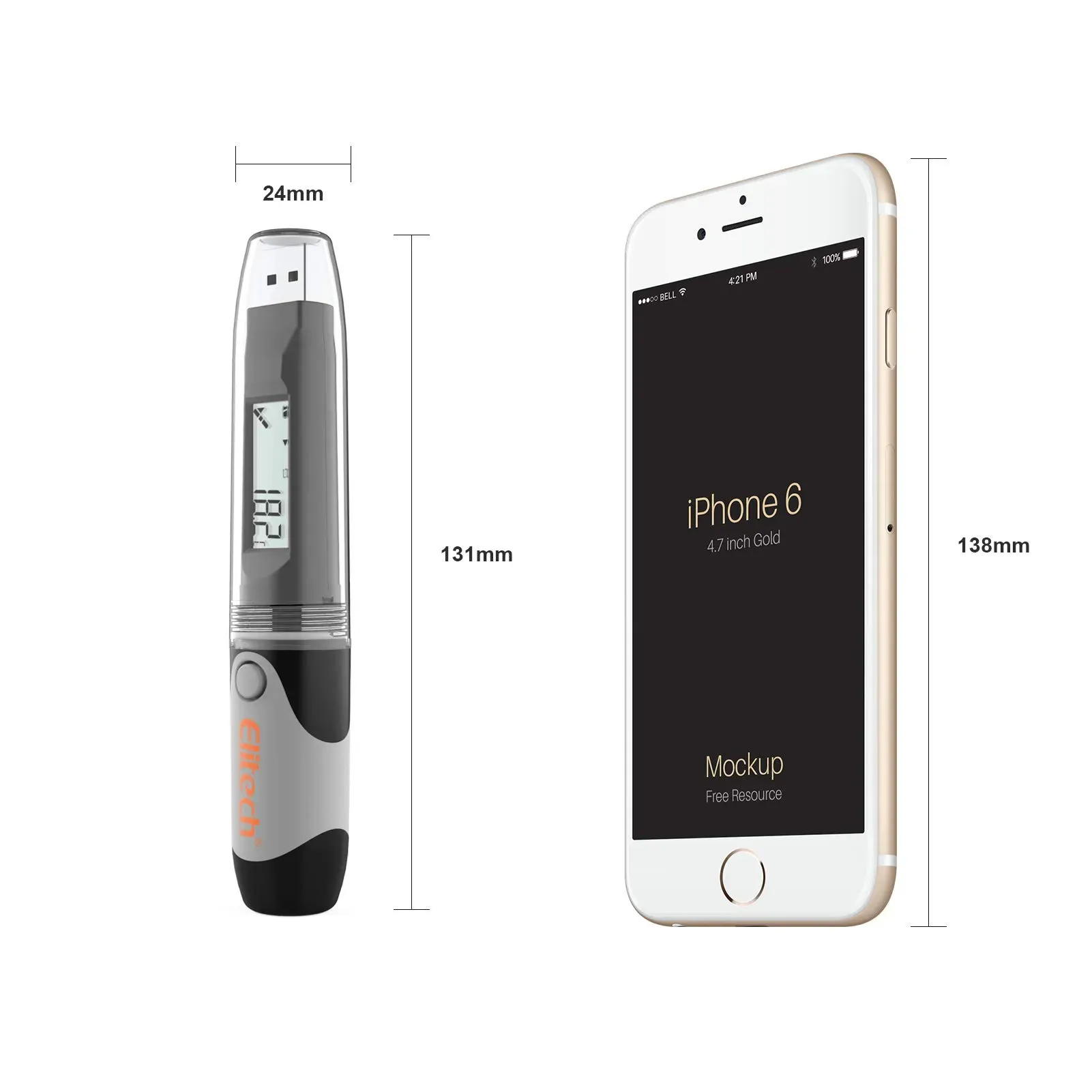
An instrument is a broader, more encompassing term. While an instrument may contain a meter to display data, its primary function often includes detecting, measuring, recording, and sometimes controlling physical quantities over time. Instruments are typically more complex and may involve data logging capabilities, programmable logic, and connectivity. For example, a digital temperature data logger is an instrument; it does not just show the current temperature but records it at set intervals over weeks or months, storing the data for compliance audits.
In the modern UK industrial landscape, the line between the two has blurred significantly due to digitisation. Today’s smart meters often feature instrument-level data logging, while complex instruments are equipped with highly intuitive, meter-like digital displays.
Types of Instruments and Meters Available in the UK
The UK market offers a highly specialised array of measurement devices tailored to strict British and European standards. Below, we categorise the primary types of instruments and meters utilised across key UK industries.
1. Temperature and Humidity Data Loggers
Temperature and humidity control is the backbone of the UK's cold chain, pharmaceutical, and agricultural sectors. The Medicines and Healthcare products Regulatory Agency (MHRA) and the Food Standards Agency (FSA) mandate rigorous environmental monitoring.
- USB Data Loggers: These are cost-effective, plug-and-play devices used extensively in transit. Once a shipment of perishable goods arrives at a UK port, the logger is plugged into a computer to generate an immutable PDF report detailing the temperature history.
- Wireless/IoT Data Loggers: Utilising Wi-Fi, Bluetooth, or 4G/5G networks, these instruments provide real-time monitoring. If a commercial freezer in a London hospital begins to fail, an IoT logger will instantly send an SMS or email alert to facility managers, preventing the loss of vital medical supplies.
2. HVAC/R Instruments
Heating, Ventilation, Air Conditioning, and Refrigeration (HVAC/R) engineers require highly specific tools to comply with UK F-Gas regulations, which govern the use of fluorinated greenhouse gases.
- Digital Manifold Gauges: Replacing traditional analogue gauges, digital manifolds measure refrigerant pressure and temperature, automatically calculating superheat and subcooling. This takes the guesswork out of system charging, ensuring optimal energy efficiency.
- Vacuum Gauges (Micron Gauges): Essential for the commissioning of refrigeration systems, these meters measure the deep vacuum required to ensure all moisture and non-condensable gases are removed from a system before refrigerant is introduced.
- Refrigerant Leak Detectors: With strict penalties in the UK for venting harmful refrigerants into the atmosphere, highly sensitive electronic leak detectors (often utilising heated diode or infrared technology) are mandatory for F-Gas compliant engineers.
3. Electrical Meters
Electrical safety in the UK is governed by the BS 7671 wiring regulations. Electricians rely on robust meters to ensure compliance and safety.
- Digital Multimeters (DMMs): The workhorse of any electrical toolkit, measuring voltage, current, and resistance. High-end models include True-RMS (Root Mean Square) capabilities for accurately measuring non-linear AC signals.
- Clamp Meters: These allow engineers to measure current flowing through a conductor without having to make physical contact or disconnect the circuit, providing a safer and faster diagnostic process.
4. Air Quality and Environmental Monitors
With increasing awareness of indoor air quality (IAQ) and the expansion of Clean Air Zones (CAZ) and Ultra Low Emission Zones (ULEZ) across UK cities, environmental monitoring has surged in importance.
- CO2 Monitors: Following the COVID-19 pandemic, the UK government highlighted the importance of ventilation. Non-Dispersive Infrared (NDIR) CO2 monitors are now commonplace in schools and offices to assess ventilation efficacy.
- Particulate Matter (PM) Counters: These instruments measure microscopic particles (PM2.5 and PM10) in the air, crucial for health and safety compliance in manufacturing and construction environments.
Key Features to Consider When Buying
When you set out to buy meters online UK, the sheer volume of specifications can be overwhelming. To ensure you invest in equipment that offers longevity, reliability, and compliance, you must evaluate several critical features.
Accuracy and Resolution
It is vital to distinguish between these two terms. Resolution is the smallest increment a meter can display (e.g., 0.1°C vs 0.01°C). Accuracy is how close that displayed measurement is to the true, absolute value. An instrument can have high resolution but poor accuracy. Always check the manufacturer's stated accuracy tolerance (e.g., ±0.5°C) and ensure it aligns with your industry's regulatory requirements.
Durability and IP Ratings
Instruments used in the field are subjected to harsh conditions. The Ingress Protection (IP) rating indicates how well a device is sealed against dust and water. For example, an IP65 rating means the device is dust-tight and protected against low-pressure water jets, making it suitable for a damp UK construction site or a humid commercial kitchen. An IP67 rating allows for temporary submersion.
Data Connectivity and Cloud Integration
The era of manually writing down meter readings on a clipboard is over. Modern instruments feature Bluetooth for connecting to smartphone apps, or Wi-Fi for direct integration with cloud platforms. This IoT connectivity allows for automated record-keeping, remote diagnostics, and predictive maintenance. When evaluating brands, consider the quality and cost of their proprietary software ecosystem.
Compliance with UK Standards
Ensure the equipment meets relevant British and European standards. For instance, temperature loggers used in the transport of frozen food must comply with BS EN 12830. Electrical meters should carry the appropriate CE and UKCA (UK Conformity Assessed) markings, guaranteeing they meet British health, safety, and environmental protection standards.
How to Choose the Right Instrument for Your Needs
Selecting the correct instrument requires a strategic approach. Purchasing an overly complex device can lead to user error and wasted budget, while buying a substandard tool can result in compliance failures.
Step 1: Define the Application and Environment
Begin by mapping out exactly where and how the instrument will be used. Will it be permanently installed in a static location, or carried in a technician's toolbag? Will it be exposed to extreme cold, such as in a cryogenic medical storage facility, or high heat in an industrial boiler room? The environment dictates the required operating range and physical robustness of the device.
Looking for the right tool? Check the Datalogr for full UK specs.
Step 2: Determine Regulatory Requirements
Are you subject to external audits? If you are storing pharmaceuticals for the NHS, your temperature logging equipment must not only be highly accurate but also tamper-proof, producing secure data logs that comply with FDA 21 CFR Part 11 or equivalent MHRA guidelines. Understanding the legal framework surrounding your industry will immediately narrow down your choices to professional-grade instruments.
Step 3: Evaluate Total Cost of Ownership (TCO)
The upfront purchase price of a meter is only a fraction of its true cost. Consider the Total Cost of Ownership, which includes:
- Battery life and replacement costs: Does the device use standard AA batteries, or expensive, proprietary lithium packs?
- Software subscription fees: Do you have to pay a monthly fee to access your data in the cloud? (Note: Many premium brands, including Elitech, offer robust free tiers or lifetime access to their platforms).
- Calibration costs: How frequently does the device need to be calibrated, and what does the manufacturer charge for this service?
Step 4: Prioritise User Experience (UX)
An instrument is only as good as the person operating it. Look for devices with intuitive interfaces, large backlit displays for poorly lit environments, and straightforward menu navigation. Complex, non-intuitive instruments increase the likelihood of technician error, which can compromise data integrity.
Top Brands in the UK Market
The UK market is serviced by a mix of domestic manufacturers and global powerhouses. Recognising the key players helps establish trust and ensures you are investing in reputable technology.
Elitech
As a global leader in environmental monitoring and HVAC/R instrumentation, Elitech has established a formidable presence in the UK. Renowned for their extensive range of temperature and humidity data loggers, digital manifold gauges, and intelligent halogen leak detectors, Elitech bridges the gap between high-end precision and accessible pricing. Their Elitech iCold cloud platform is particularly favoured by UK logistics and food safety professionals for its seamless, automated compliance reporting.
Fluke
When it comes to electrical test equipment, Fluke is the industry gold standard. Their multimeters, thermal imagers, and insulation testers are ubiquitous on UK construction sites. Fluke instruments are prized for their extreme durability and rigorous safety ratings, though they sit at the highest end of the price spectrum.
Testo
Originating from Germany, Testo is highly respected in the UK for emissions testing, food safety measurement, and HVAC instruments. They are known for integrating smart technology into traditional tools, offering a wide range of Bluetooth-enabled probes and analysers.
Megger
A brand with deep British heritage, Megger is synonymous with electrical insulation testing. Operating out of Dover, Megger provides highly specialised testing equipment for the power generation and distribution sectors, representing the pinnacle of heavy-duty electrical metrology.
Maintenance and Calibration Tips: An Instrument Calibration Guide
Even the most expensive, high-quality instrument will lose accuracy over time. This phenomenon, known as "sensor drift," is caused by environmental exposure, physical shocks, and the natural degradation of electronic components. To maintain accuracy and E-E-A-T (Experience, Expertise, Authority, Trust) in your data, you must follow a strict instrument calibration guide.
Understanding Calibration
Calibration is the process of comparing the measurements of your instrument against a known, highly accurate reference standard. If your instrument deviates from the standard, it is either adjusted to align with the correct value or a correction factor is documented.
Factory vs. UKAS Calibration
When buying instruments, you will encounter different types of calibration certificates:
- Factory Calibration: This is a standard certificate provided by the manufacturer, confirming the device met specifications when it left the assembly line. It is sufficient for general diagnostic work.
- UKAS Calibration: The United Kingdom Accreditation Service (UKAS) is the sole national accreditation body recognised by the British government. A UKAS-accredited laboratory provides calibration that is traceable to national standards (such as those held by the NPL). For critical applications—like NHS blood banks, aerospace engineering, or legal metrology—UKAS calibration certificates are legally mandated.
A Standard Maintenance Routine
- Pre-Use Inspection: Before every use, visually inspect the instrument for cracked casings, frayed test leads, or moisture ingress. Compromised physical integrity directly impacts measurement accuracy and safety.
- Cleaning: Clean sensors and probes according to the manufacturer's instructions. For HVAC engineers, ensuring manifold gauge hoses are purged of residual oil and contaminants prevents cross-contamination of refrigerants.
- Proper Storage: Store instruments in padded, hard-shell cases. Avoid leaving sensitive meters in the back of a van overnight during the UK winter, as extreme cold can damage LCD screens and deplete batteries.
- Annual Calibration: As a general industry rule, instruments should be professionally calibrated every 12 months. However, if an instrument is dropped or subjected to an extreme overload, it should be recalibrated immediately.
"Regular calibration is not just a regulatory checkbox; it is the ultimate insurance policy against the catastrophic costs of inaccurate data."
Where to Buy Instruments and Meters in the UK
Knowing where to source your equipment is just as important as knowing what to buy. The landscape of industrial procurement has shifted significantly, making it easier than ever to buy meters online UK.
Direct from the Manufacturer
Purchasing directly from the manufacturer's official UK website (such as Elitech UK) is often the optimal route. This guarantees you are receiving genuine products, not counterfeit knock-offs (a growing problem on third-party marketplaces). Buying direct also ensures you receive the full manufacturer's warranty, access to the latest firmware updates, and direct technical support from experts who intimately understand the product.
Specialist Online Distributors
There are numerous UK-based online retailers that specialise in test and measurement equipment. These distributors offer the advantage of comparing multiple brands side-by-side. However, ensure the distributor is an "authorised dealer" for the brand; otherwise, your warranty may be invalidated.
Trade Counters
For urgent, same-day needs, national trade counters (such as CEF, Wolseley, or RS Components) maintain physical stock of essential meters across the UK. While convenient for emergencies, their physical shelf space is limited, meaning they may not stock the highly specialised or advanced IoT data loggers available online.
Upgrade Your Precision with Elitech UK
Whether you are safeguarding the cold chain, optimising HVAC/R systems, or monitoring indoor air quality, Elitech provides the professional-grade instruments you need to operate with absolute confidence. Designed for rigorous UK industry standards, our products combine uncompromising accuracy with cutting-edge smart technology.
Don't leave your critical measurements to chance. Explore our full range of industry-leading data loggers, manifold gauges, and leak detectors today.
Shop Elitech Instruments & MetersFrequently Asked Questions (FAQs)
What is the difference between a data logger and a standard meter?
A standard meter displays the current, real-time value of a measurement (like a speedometer in a car). A data logger is an instrument that not only measures the value but records it continuously over a period of time, storing the data in its internal memory or transmitting it to the cloud for historical analysis and compliance reporting.
How often do I need to calibrate my measuring instruments?
The industry standard for most professional instruments is annual calibration (every 12 months). However, this can vary based on the manufacturer's recommendations, the frequency of use, and specific UK regulatory requirements. For highly critical environments, such as pharmaceutical storage, semi-annual calibration may be mandated.
Do I legally need a UKAS calibration certificate?
It depends entirely on your industry and the application. If you are a contractor working in a highly regulated sector—such as healthcare (NHS), aviation, or legal metrology—a UKAS-accredited certificate is often a strict legal or contractual requirement. For general commercial diagnostics, a standard traceable factory calibration is usually sufficient.
Can I buy professional meters online safely in the UK?
Yes, it is entirely safe and highly convenient to buy meters online UK, provided you purchase directly from official manufacturer websites or authorised specialist distributors. Avoid buying highly sensitive, professional-grade metrology equipment from unverified sellers on general auction sites, as counterfeit tools can pose severe safety risks and provide inaccurate data.
Related reads: How to Calibrate Humidity Sensors: A Step-by-Step · Top 5 Best Temperature Data Loggers in the UK
Ready to try Elitech UK?
Shop Now — £52.14